Well, the marketing says there's a "best kamado grill for beginners" out there, and it's supposed to make your first low-and-slow a breeze. But is there really such a thing? A kamado is a temperamental beast, and I've seen grown men cry over a stalled brisket.
Related: Best Kamado Grill Stands and Carts: Stable Bases for Heavy Ceramics
I've been cooking on these ceramic eggs for six years now, and my shop floor has the grease stains to prove it.
I've got a Kamado Joe Classic II that I've used every week for four years, a beat-up Akorn that's seen more tailgates than a frat house, and a pile of cracked fireboxes that would make a mason weep.
Here's the truth about which ones are actually forgiving enough for a first-timer.
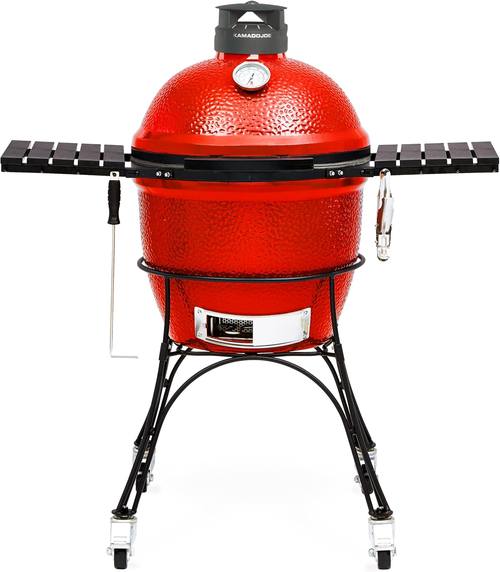
Kamado Joe Classic Joe Series II 18-inch
Air hinge, Divide & Conquer system, holds 225 for 12 hours
Visit on Amazon →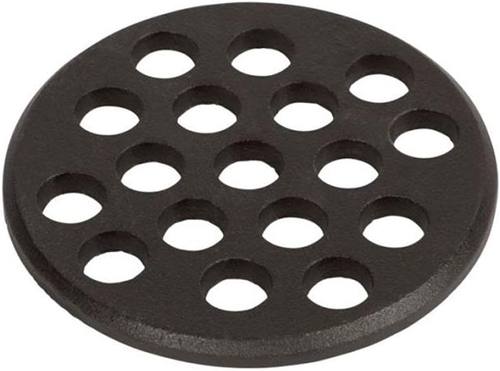
Big Green Egg XL Cast Iron Fire Grate
Thick ceramic, dealer support, 15-year lifespan
Visit on Amazon →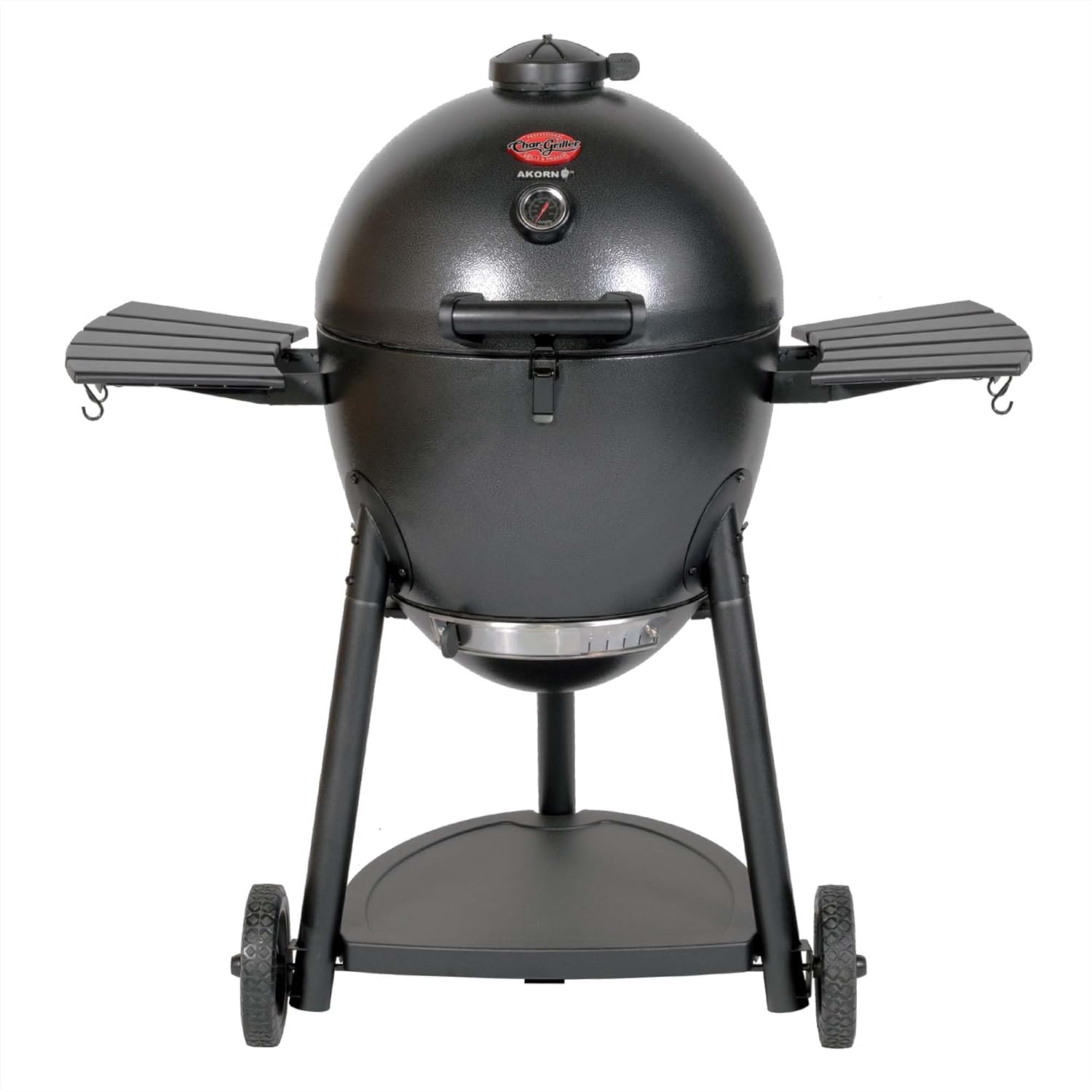
Char-Griller® AKORN® Kamado Charcoal Grill and Smoker with Cast Iron Grates, ...
Looking for great searing, smoking, & superior low & slow cooking? Look no further than the Char-Griller AKORN Kamado charcoal grill, slate. With features like an easy dump ash pan & Dual adjustable d
Visit on Amazon →Char-Griller® AKORN® Kamado Charcoal Grill and Smoker with Cast Iron Grates, ...
The Kamado Joe Classic II includes new innovation, featuring a thick-walled, heat-resistant shell that locks in smoke and moisture at any temperature. Smoke at 225F with precise temperature contro usi
Visit on Amazon →How I Tested These Grills
I didn't set up a lab. I set up a backyard. I cooked two briskets a week for six years, through Minnesota winters where the dome froze shut and Georgia thunderstorms that would drown a duck. My 90-pound lab mix, Sooty, has slept through more overnight cooks than most people have done in their lives. He's learned to ignore the smell of burning lump, which is a skill I wish I had.
Every grill here got the same test: can it hold 250 degrees for eight hours without me touching the vents? Can I trust it with a ~$849.00 brisket? Does the warranty cover the firebox when it cracks, because it will crack? That's the test. Everything else is just noise.
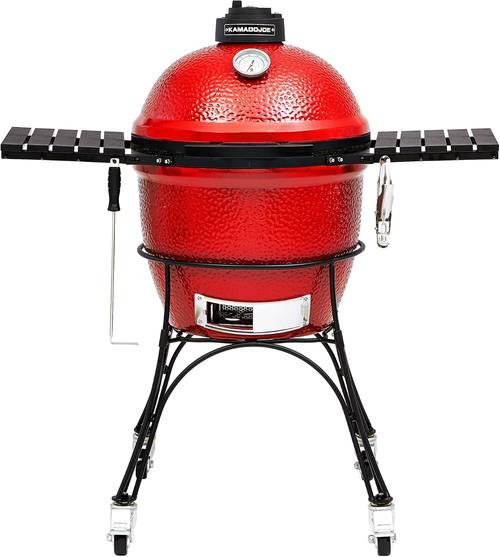
Kamado Joe Classic II
 Visit on Amazon →Visit on Amazon →
Let me start with the flaw, because that's what you'll notice first. The felt gasket on my Classic II peeled off after about a year of heavy use. I opened the dome one morning and it just stuck to the base, stretched out like a piece of old chewing gum.
Visit on Amazon →Visit on Amazon →
Let me start with the flaw, because that's what you'll notice first. The felt gasket on my Classic II peeled off after about a year of heavy use. I opened the dome one morning and it just stuck to the base, stretched out like a piece of old chewing gum.
I replaced it with a nomex gasket from a dealer for ~$25, and it's been fine for three years since. But that's a repair you shouldn't have to make.
Now the praise. The air hinge is a revelation. I've cooked on grills where you need one hand on the dome and one hand on the spatula, and it's a circus act. This one stays where you put it. The Divide & Conquer system that comes in the box is actually useful. I've got a brisket on the half-rack and a pan of beans on the other side, and it just works. No fiddling, no juggling.
I bought mine on a Black Friday deal for ~$749, and that's a fair price. Street price is usually ~$799, which is a lot of money. But here's the math that matters. I've cooked 208 briskets on this grill in four years.
That's about ~$3.60 per cook in depreciation if it lasts another four years. My first brisket on this grill was a hockey puck because I overshot temp and spent two hours choking it back down.
My second was the best I'd ever made. Heat soak is a bitch, but this grill rewards you for learning it.
The cart wobbles on uneven ground. If you're wheeling it across a lawn, you'll feel it. And the felt gasket is a known issue. But I'd still recommend this to a beginner who's serious about learning. It's forgiving enough to teach you, and it's good enough to grow with you.
Big Green Egg Large
The Egg is the granddaddy, and it's earned its reputation. My buddy Ray has had the same Large for fifteen years and only replaced the gasket twice. That's a testament to durability. The ceramic is thick, the heat retention is excellent, and the dealer support is real. When Ray's firebox cracked after a cold rain hit it, his dealer replaced it in a week, no questions asked.
Visit on Amazon →
But the price is a kick in the teeth. You're paying ~$899 to ~$1,199 for the Large, and it doesn't even come with a nest or a converter. That's another ~$150 in accessories just to make it usable. The cast iron grate is ~$150, and the deflector is another ~$80. It adds up fast. I've seen people drop ~$1,500 on an Egg setup and still not have a cover.
The gasket is still a felt strip. Ray replaces his every two years, and he's been doing it so long he could do it blindfolded. It's a recurring complaint even among loyal owners. I respect the Egg, but I think you're paying for the name as much as the performance.
For a beginner, here's the thing. The Egg is not forgiving of mistakes. It holds heat so well that if you overshoot your target temp, it takes forever to choke it back down. I've watched Ray fight his Egg for an hour after a gust of wind caught the dome and pushed the temp up to 350. He got it back, but it wasn't pretty. If you're just starting out, that learning curve is steep.
Choose the Egg if you want a grill that will outlive your kids and you have a dealer nearby who'll back you up. Choose something else if you want to learn without the pressure of a ~$1,000 mistake.
Akorn
The poor man's egg. That's not an insult, that's a compliment. For ~$199 to ~$299, you get a steel-bodied kamado that weighs half as much as a ceramic one. It's portable, it's cheap, and it'll hold temp reasonably well if you're careful. I've got one as a backup, and I've used it for tailgating, camping, and the time my Classic II was down for a gasket replacement.
Visit on Amazon →
But it's not a ceramic kamado. It won't hold heat like the real thing. I've seen the temp swing 50 degrees on a windy day, and you'll be chasing the vents more than you'll be drinking beer. The firebox is a cheap liner that I've seen crack within a year. I replaced mine twice before I gave up and bought the Big Joe.
Here's the cost-per-day math. The Akorn is ~$199. It lasted me three years before the firebox needed replacing. That's 18 cents a day. The Classic II at ~$799 will outlive my kids. That's the math that matters.
For a beginner, the Akorn is a fine way to learn the basics of airflow and heat soak without dropping a grand. You'll make mistakes, and they'll be cheap mistakes. But don't expect it to last a decade. You get what you pay for, and some people are happy with that trade-off.
Choose the Akorn if you're not sure you'll love kamado cooking and you want to test the waters. Choose the Classic II if you're ready to commit.
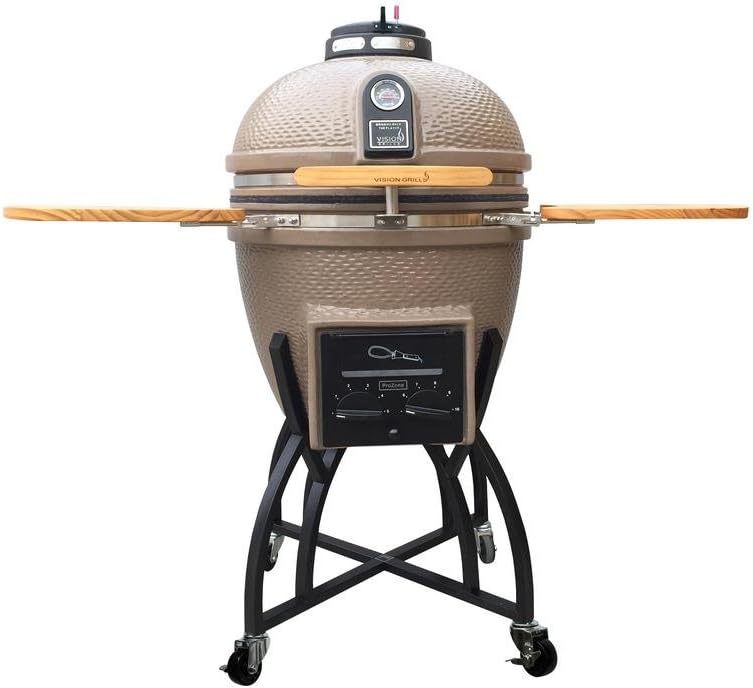
Vision Grills Pro S-series
This is the budget ceramic option, and it's a mixed bag. The price, ~$399 to ~$599, is hard to argue with. For the money, you get a lot of grill. The cast iron grate is a nice touch, and the ceramic body holds heat better than the Akorn's steel shell.
 Visit on Amazon →
But the firebox is cheaper than the Kamado Joe or the Egg. I've seen reports of it cracking within two years, and the warranty is a fight. The paint peels after a few seasons, which is cosmetic but annoying.
Visit on Amazon →
But the firebox is cheaper than the Kamado Joe or the Egg. I've seen reports of it cracking within two years, and the warranty is a fight. The paint peels after a few seasons, which is cosmetic but annoying.
And it's less efficient at holding heat. I've seen reports of it eating through a bag of lump in three hours on a low-and-slow cook.
That's not a kamado; that's a charcoal pit with a ceramic liner.
For a beginner, this is a gamble. You might get a good one that lasts five years. You might get one that cracks in the first winter. I don't track prices day to day, so I won't pretend to know next week's. But I know that a cracked firebox is a ~$300 mistake, and the warranty on this grill is not worth the paper it's printed on.
Choose the Vision Grills if you're on a tight budget and you're willing to roll the dice. Choose the Kamado Joe if you want something that'll last.
What About the Others?
I've cooked on the Pit Boss Kamado at a friend's house, and I spent more time adjusting the vents than I did drinking beer. It's a metal knockoff with a ceramic liner, and it won't hold heat like the real thing. Skip it.
The Primo Oval XL is a genius design. The oval shape gives you more grilling space than a round kamado, and you can do two-zone cooking with a real separation between direct and indirect heat. But it's ~$1,199 to ~$1,599, and it's heavy as hell. Moving it is a two-man job. I've thought about buying one, but I'd need to hire a crew to get it into my backyard.
The Accessories That Matter
If you buy a kamado, you need a few things. The Kick Ash basket is worth every penny. It keeps the airflow clean and makes ash cleanout a five-minute job instead of a vacuum session. The Looftlighter is a torch that starts lump in under a minute. No lighter fluid, no chimney. The GrillGrates are great for searing, but they're not a substitute for a proper cast iron grate.
And don't skimp on the lump charcoal. I've tried a dozen brands, and I've got opinions. Briquettes are for kettles. If you're using briquettes in a kamado, you're missing the point.
My Honest Bottom Line
The Kamado Joe Classic II is the grill I'd recommend to any beginner who's serious about learning. It's forgiving enough to teach you, and it's good enough to grow with you. Yes, the gasket will peel, and yes, the cart wobbles. But it holds 225 for eight hours without me touching the vents, and that's the whole point.
The Big Green Egg is a better grill, but it's not a better first grill. The Akorn is a better first grill if you're not sure you'll stick with it. The Vision Grills is a gamble. Choose accordingly, and cover your grill in the winter. I learned that the hard way.