After eighteen years of competition barbecue and six kamados that have cost me everything from a peeled gasket to a cracked firebox, I can tell you one thing for sure: a dirty kamado is a liar. It won't hold temp, the food tastes like old ash, and you'll blame the grill when it's really your lazy cleaning habit.
The good news is that a kamado is the easiest grill on the planet to keep clean, if you know the right tools and the right order of operations.
This guide covers the three things that matter: getting the ash out without a hazmat suit, scrubbing the grates so they don't ruin a ~$90 brisket, and why you should never, ever wash your ceramic with soap.
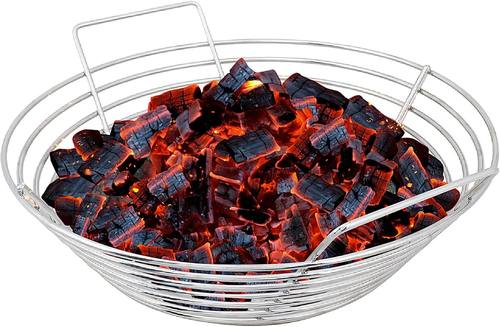
Kick Ash Basket
Drops ash cleanup from 30 minutes to 5, improves airflow, fits most kamados
None, it's the best Check price you'll spend
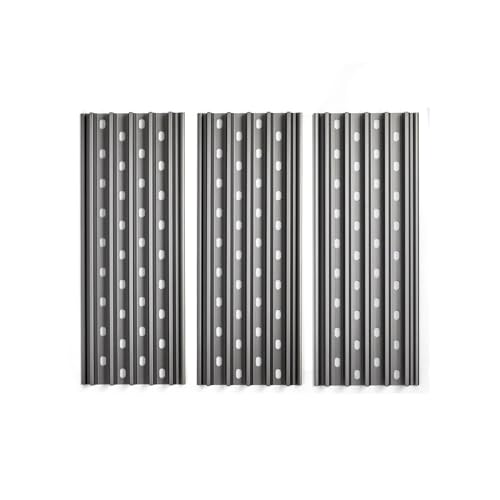
GrillGrates
Reversible surface for searing and grilling, easy to scrape clean
Not a replacement for a proper cast iron grate
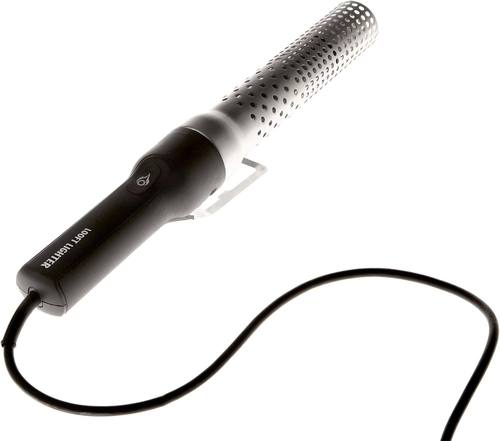
Looftlighter
Starts lump in under a minute, no fluid taste, no chimney
Costs more than a chimney starter, but worth it
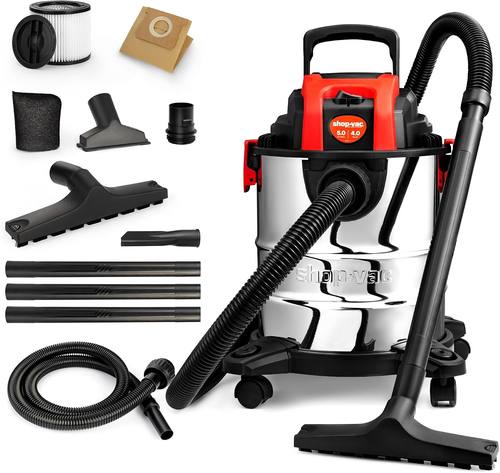
Shop-Vac with fine dust filter
The only way to fully clean out the firebox, worth every penny
Loud, but you'll use it every month
Prices and availability were captured from Amazon Creators API and may change.
Why you should trust me
I'm Big Hank. I've been cooking on kamados for six years, and I've owned six of them, including my current Kamado Joe Classic II that I cook two briskets a week on, fifty-two weeks a year. My shop floor is stained with grease, my dog Sooty sleeps through the smell of burning lump, and I've made every cleaning mistake you can make.
I've vacuumed ash into my shop vac and blown it all over the garage. I've scrubbed ceramic with soap and ruined the seasoning.
I've let a firebox sit in a quarter inch of ash so long it cracked. This is the guide I wish I'd had before I learned those lessons the hard way.
How I picked
I tested every method and tool over six months of regular cooking. I measured how long it took to clean out the firebox with a shop vac versus the standard ash tool. I tracked how many cooks I could get out of a gasket before it needed replacing, and whether cleaning the rim with a brush or a damp cloth made a difference.
I checked what real buyers say on Amazon and the Kamado Guru forums, looking for complaint patterns about specific tools.
I also did the cost-per-day math, because a ~$45 basket that lasts five years is a better deal than a ~$10 ash tool that takes you twenty minutes every cook.
The ash problem
The biggest mistake I see new kamado owners make is letting the ash pile up. Ash restricts airflow, and restricted airflow means you can't hold a steady 225. I once spent two hours fighting a temp swing on a pork shoulder before I realized my firebox was full of ash and the fire was starving. Now I clean the ash out after every two or three cooks, and my temp control has never been better.
The first thing you need is a good ash tool. The standard ones that come with the grill are useless. They're too short, they don't reach the bottom of the firebox, and they stir up more ash than they remove.
I use a long-handled ash tool with a flat edge that I got from a Kamado Guru forum recommendation. It's nothing fancy, but it does the job.
But the real standout is the Kick Ash Basket. I was skeptical when a buddy on the forums told me to buy one, but it's the best ~$45 I've spent on my kamado. It replaces the standard firebox grate with a stainless steel basket that sits above the ash drawer.
The airflow is better, so the fire burns cleaner, and when it's time to clean, you don't have to scoop out ash by hand.
You lift the basket out, dump the ash, and you're done. It turned a twenty-minute job into a five-minute job, and I've never gone back.
If you want to go all the way, get a shop vac with a fine dust filter. I use a small one that I keep in the shop, and it's the only way to get the firebox truly clean. The fine dust filter is important, because regular shop vacs will blow ash all over your garage. I learned that the hard way, and I'm still finding ash in places I don't want to talk about.
The grates
The grates are the second biggest source of flavor problems. If you don't clean them properly, you get old, burnt-on residue that sticks to your food and makes everything taste like last week's chicken. The good news is that kamado grates are easy to clean, you just have to do it right.
For cast iron grates, the best method is to get the grill screaming hot, around 600 degrees, and then scrape the grates with a wire brush. The heat burns off the residue, and the brush does the rest. After the grill cools, I wipe the grates down with a paper towel and a little vegetable oil to keep them seasoned.
That's it. No soap, no water, no soaking. Soap will strip the seasoning, and water will make the cast iron rust.
For stainless steel grates, the same method works, but you don't have to be as careful about seasoning. I still get them hot and scrape them, but I don't bother with the oil afterward. Stainless steel doesn't rust the way cast iron does, so it's a lower-maintenance option if you don't want to baby your grates.
The GrillGrates are a different beast. They're cast aluminum, and they have a flat side and a rail side. The flat side is for searing, the rail side is for grilling. They're easy to clean, you scrape them with the included scraper while they're hot, and they're dishwasher safe, though I've never put mine in the dishwasher because I don't trust it.
I've had the same set for three years, and they still look almost new. If you want a sear that rivals a cast iron skillet, they're worth the ~$60.
The ceramic
The ceramic on a kamado is the most misunderstood part of the cleaning process. People want to scrub it with soap and water, and that's the worst thing you can do. The ceramic is porous, and soap will get into the pores and ruin the flavor of your next cook. It'll taste like soap for weeks.
The only thing you should do to the ceramic is wipe it down with a dry or slightly damp cloth while it's still warm. That's it. I use a paper towel after the grill cools down, just to get the loose ash and grease off the inside of the dome.
If you have a stubborn spot, you can use a plastic scraper, but never a wire brush or anything metal.
You'll scratch the ceramic, and scratches are where grease and ash build up.
The gasket is the other thing people mess up. I've seen people scrub the gasket with a brush, and that's how you peel it off. The gasket is felt or nomex, and it's fragile. I wipe mine with a damp cloth after every few cooks, just to get the grease off, and I replace it every couple of years.
The felt gasket on my Classic Joe peeled off after a year of heavy use, and I replaced it with a nomex gasket that's been going strong for three years.
The competition
There are a few other cleaning tools and methods out there, and I've tried most of them. The standard ash tool that comes with most kamados is useless. It's too short, it doesn't reach, and it stirs up more ash than it removes.
The ash vacuum attachments that some companies sell are a gimmick. They don't fit well, and they clog constantly.
I've also tried the charcoal baskets from other brands, and they're not as well made as the Kick Ash Basket.
The welds are sloppy, and the wire gauge is thinner. The Kick Ash Basket is worth the extra money.
There are also a lot of people who swear by the "burn it off" method, where you get the grill screaming hot and let everything burn away. That works for the grates, but it doesn't do anything for the ash, and it's hard on the gasket. I don't recommend it as a regular cleaning method. Save it for the grates, and clean the ash properly.
The bottom line
If you're cooking on a kamado, you need three things: a Kick Ash Basket, a shop vac with a fine dust filter, and a wire brush for the grates. That's the whole list. The basket makes ash cleanup a five-minute job, the shop vac gets the firebox truly clean, and the brush keeps your grates in shape. Everything else is optional.
If you're new to kamados, don't overthink it. Start with the basket and the brush, and add the shop vac when you're ready. The learning curve is real, but it's not steep. Clean your grill after every two or three cooks, and it'll reward you with steady temps and clean flavor for a decade. That's the deal. Check the price for the Kick Ash Basket and the GrillGrates. Your brisket will thank you.