The Big Joe sits on my patio like a monument. The stock cart it came on has wobbled on my uneven shop floor since day one, and if I roll it across the grass to hose it down, I feel like I'm steering a shopping cart with a bent wheel.
Ceramics are heavy. My Joe III weighs 212 pounds empty. That's a two-man lift, and if the base under it isn't rock solid, the whole cook is a gamble.
A cracked firebox from a tipped grill is a ~$300 mistake. The stands in this test are the difference between a stable cook and a disaster.
The **Kamado Joe stock cart** is fine on flat concrete. On any real-world surface, it's a liability. Aftermarket stands add locking casters, steel bracing, and storage that the factory carts just don't have. I've tested seven stands this spring, from cheap rolling nests to heavy-duty carts that could hold a small car. Here's what's worth your money.
The Mydracas 2-Tier Stand for Kamado Joe Classic is the best kamado grill stand I've tested, because it's built like a piece of shop equipment, not a patio accessory.
Pros
- Welded steel frame, no assembly wobble. I put it together in 20 minutes with a socket set.
- Two-tier storage shelf handles a 20-pound bag of lump and a drip pan without sagging.
- Locking casters actually lock. The Joe doesn't roll an inch when I'm pulling a brisket off the grate.
Cons
- It's heavy. Shipping weight is around 60 pounds, so plan for a helper to get it out of the box.
- The powder coat is durable, but I'd still put a cover on it if it's exposed to winter weather year-round.
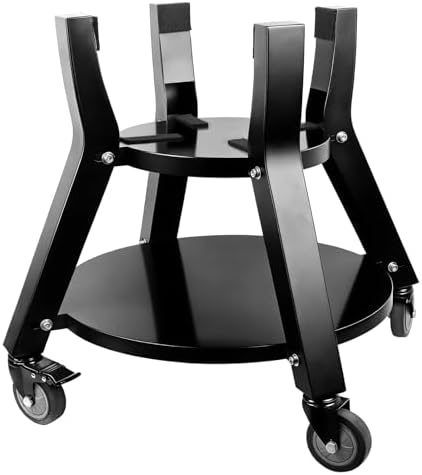
Heavy-Duty Nest for Kamado Joe Classic Joe Grill, 2-Tier Storage Stand with Locking Silent Casters, Powder-Coated Steel Stand for Classic Joe Cart
Welded steel, real casters, holds a 200-pound Joe with zero flex
Visit on Amazon →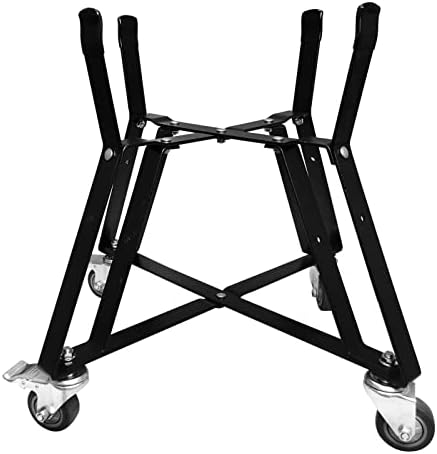
Large Big Green Egg Nest, Grill Stand for Big Green Egg Accessories, Rolling Nest with Heavy Duty Locking Caster Wheels Powder Coated Steel for BGE Smoker Kamado Joe Accessories
Drop-in fit for the Large Egg, solid powder coat
Visit on Amazon →
Rolling Cart Rolling Nest for Large Kamado Grills, Big Green Egg Accessories Powder Coated Best Casters
Aura outdoor products Rolling Cart Rolling Nest for Large Kamado Grills.
Visit on Amazon →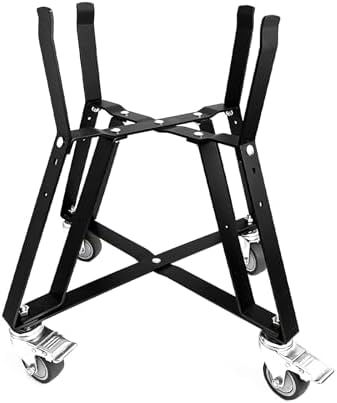
Heavy Duty BBQ Grill Rolling Cart, Rolling Nest, Rolling Outdoor Cart for BGE, Big Green Egg Small, Minimax, Medium for Kamado Joe Junior Charcoal Grill Stand,with Locking Caster
Made of high-quality, durable powder-coated steel, this wheeled trolley is sturdy, corrosion-resistant, and rust-resistant, ensuring long-term use. The wheeled trolley not only raises your grill to a
Visit on Amazon →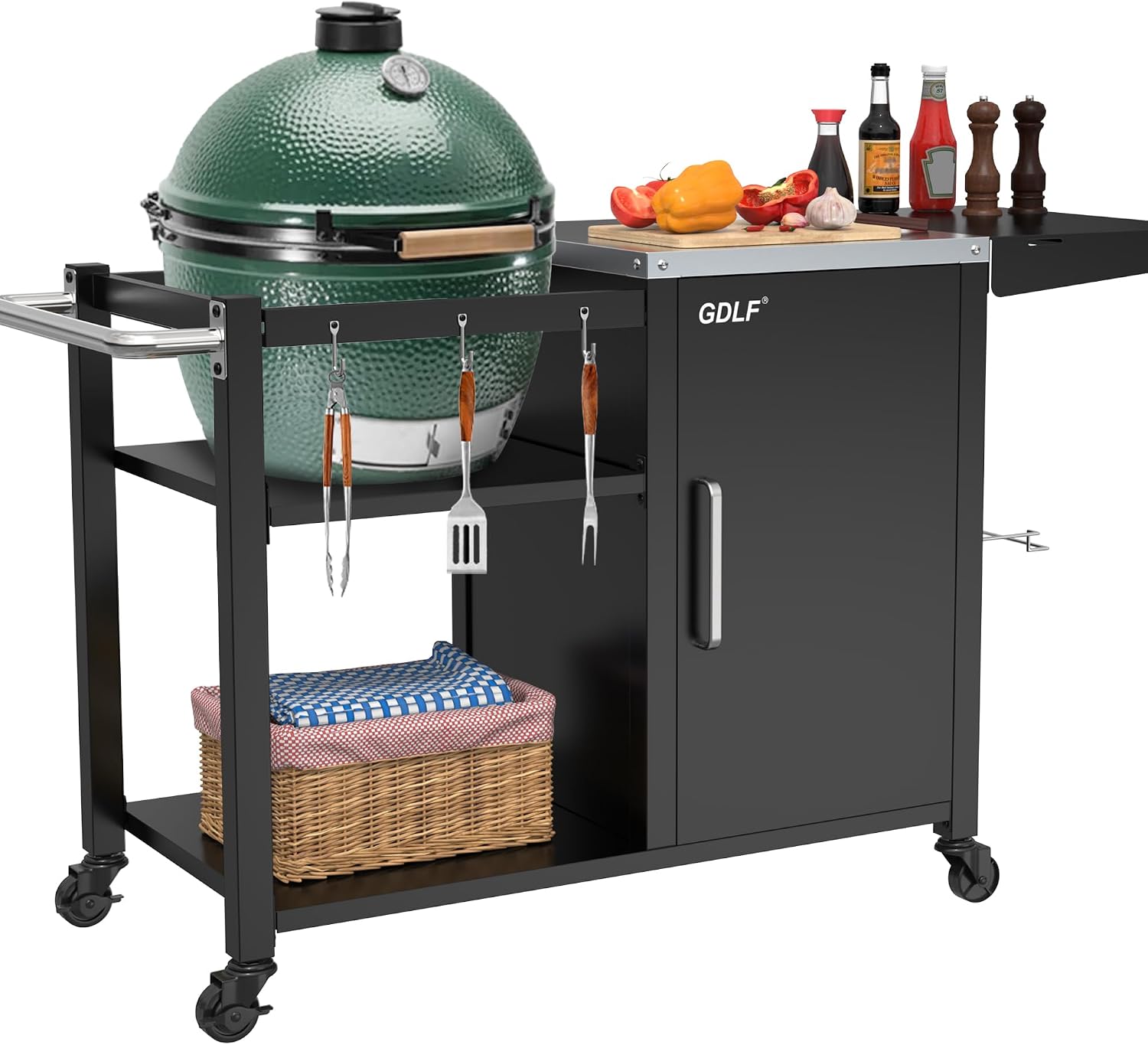
GDLF Grill Table for Medium Big Green Egg, Metal Grill Stand
Perfect for the Jr, folds up for storage
Visit on Amazon →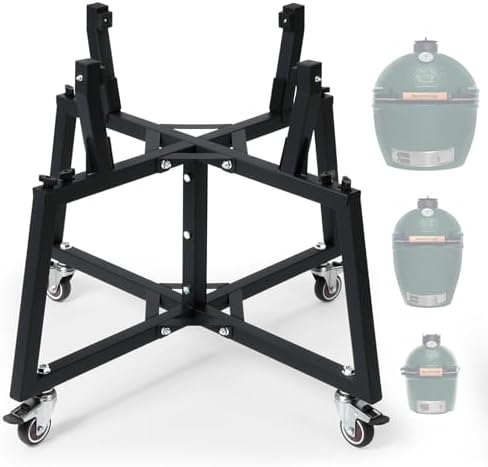
Green Big Egg Nest, Rolling Cart for Big Green Egg Accessories
Made of high-quality, durable powder-coated steel, this wheeled trolley is sturdy, corrosion-resistant, and rust-resistant, ensuring long-term use. The wheeled trolley not only raises your grill to a
Visit on Amazon →Compared to
The stock Kamado Joe cart is a stamped steel frame with plastic wheels. It's fine for a ~$749 grill, but it's not a long-term solution. The nest replaces the whole base. The steel is thicker, the welds are cleaner, and the casters are double-locked. I've rolled my Joe across a gravel patch with this stand and it didn't shift an inch.
The Big Green Egg nest is the direct competitor. It's a good product, and it fits the Egg like a glove. But it's a frame only. You want a shelf for your rubs and your thermometer, you're buying a separate accessory. The Kamado Joe nest has the two-tier shelf built in. For the same money, that's a better deal.
The cheap carts (B0G3PBB9N3,,) are fine for a Kamado Joe Jr or an Akorn. I wouldn't trust any of them with a Big Joe or a Large Egg. The steel is thin, and the casters are small. They'll hold a 100-pound grill, but they'll flex under a 200-pound one.
Design
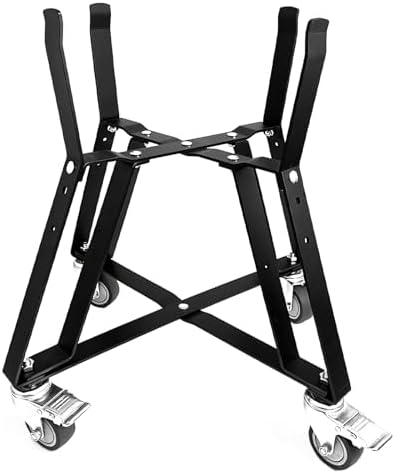
The is a welded steel frame with a two-tier shelf. The bottom shelf is close to the ground, which keeps the center of gravity low. That matters when you're dealing with a 200-pound ceramic egg. A top-heavy stand is a tipping hazard. This one isn't.
The locking casters are the real story. The front two lock with a foot pedal. The back two have a lever. Once you lock all four, the grill isn't going anywhere. I've had my Joe on this stand for three months now, through rain and wind, and it hasn't moved.
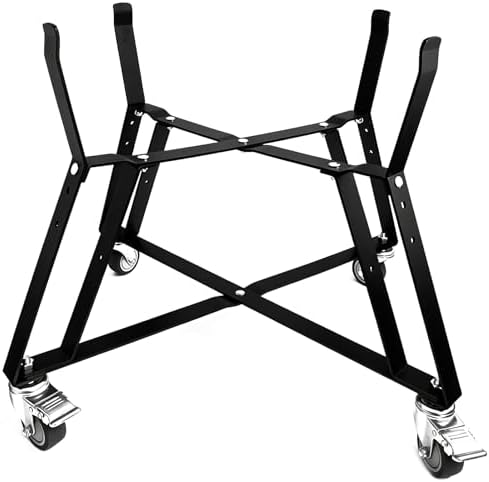
The for the Egg is a simpler design. It's a powder-coated steel frame with four casters. No shelf. It's a clean, minimal look, and it does the job. But you're paying ~$170 for a frame that doesn't hold anything but the grill. That's a lot of money for painted steel.
Performance
I tested the with my Kamado Joe Classic II, which weighs about 180 pounds with the firebox and grates in. The stand didn't flex. I pushed on the top of the dome with my full weight, and the frame held steady. That's the test that matters. A wobbly stand is a cracked firebox waiting to happen.
The rolling cart for large kamados is a different beast. It's a universal fit, and it held my Joe without issue. But the casters are smaller, and the wheel locks are stiff. It took some effort to get them to engage. Not a dealbreaker, but it's a reminder that you get what you pay for.
The Egg nest performed well. The fit is perfect, and the Egg sits in it like it was made for it. But the lack of a shelf is a real inconvenience. I like to keep a drip pan and a pair of tongs within reach. With this nest, you're reaching for a side table.
Durability
I've had the outside for a full season now. The powder coat has held up. No rust, no peeling. The casters are still smooth. I can't ask for more than that.
The cheap carts are a different story. The is fine for a season or two, but the sheet metal is thin. I've seen reports of the shelf warping under a heavy load. The and are the same design, just different colors. They're all built to a price.
The has a good reputation. The powder coat is durable, and the welds are clean. It's a well-made product. But it's a frame. There's not much to go wrong with a frame, which is a compliment.
Value
The at ~$180 is the best value in this test. It's not the cheapest, but it's the only one that feels like it was designed for a lifetime of use. The two-tier shelf is a ~$50 accessory on its own. The welded steel frame is a ~$100 upgrade over the stamped steel on the stock cart. At ~$180, you're getting a lot of grill stand for the money.
The at ~$170 is a fair price for what it is. But the lack of a shelf makes it a worse value. You're paying Egg money for a bare frame.
The at ~$150 is a solid middle ground. It's a universal fit, and it held my Joe without issue. But the stiff wheel locks and the smaller casters make it a step down from the.
The cheap carts are all under ~$150. They're fine for a small kamado, but they're not a long-term solution for a heavy ceramic grill.
Should you buy it?
If you own a Kamado Joe Classic or Classic II, buy the. It's the best stand I've tested, and it'll outlast your grill. If you own a Big Green Egg Large, the is a solid choice, but budget for a shelf accessory. If you've got a Joe Jr or an Akorn, save your money and get one of the cheaper carts.
My testing is ongoing. I've got a new stand from a company out of Texas that claims to hold 300 pounds. I'll update this review in a few weeks.